
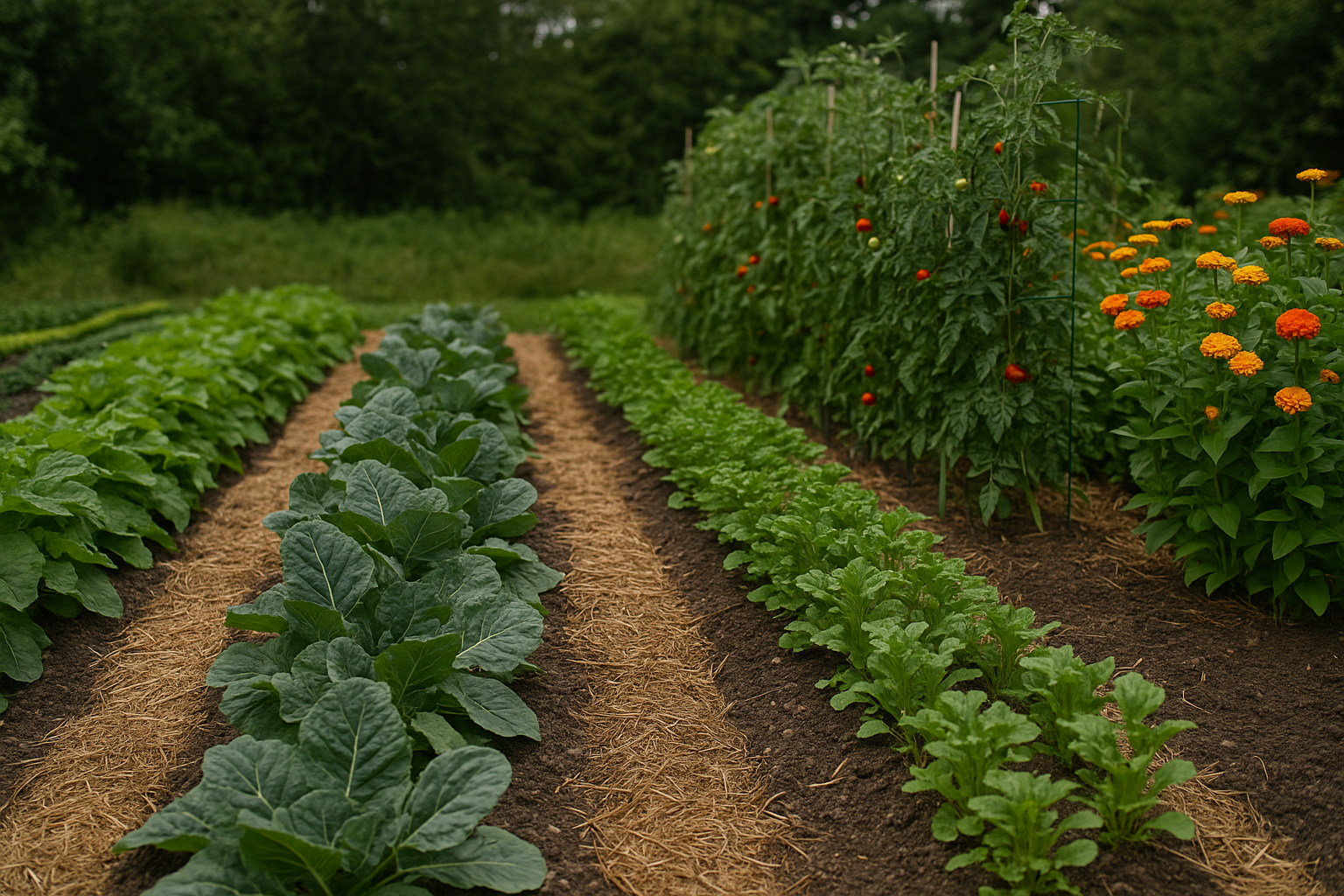
In today’s world, sustainable gardening is not just a trend—it’s a necessity. Climate change, water shortages, and ecological degradation are forcing gardeners to rethink how they cultivate plants.
One of the easiest and most impactful changes is to grow sustainable plants—species that require little water, adapt well to different conditions, and support local ecosystems.
Whether you live in an apartment, have a small balcony, or tend a large garden, there are sustainable plants that will thrive in your space.
In this guide, we’ll highlight seven of the most resilient, eco-friendly plants that you can grow almost anywhere, even with limited resources.
They’re beautiful, useful, and good for the planet.
Let’s dig in.
What Makes a Plant “Sustainable”?
Not all plants are created equal when it comes to sustainability. A sustainable plant is one that:
- Requires little water
- Grows well without chemical fertilizers or pesticides
- Supports biodiversity (like attracting pollinators)
- Is often native or non-invasive in your area
- Thrives in various environments, including containers
Choosing sustainable plants helps you save money, conserve water, and reduce your carbon footprint—all while making your garden flourish.
Now, here are seven amazing options.
1. Lavender
Why it’s sustainable:
Lavender is drought-tolerant, needs minimal care, and grows well in poor soils. Once established, it thrives with very little water and attracts bees and butterflies, making it a pollinator favorite.
Where it grows:
- Containers on balconies or patios
- Garden beds in sunny areas
- Rocky or sandy soils
Benefits:
- Aromatic and calming scent
- Can be used in teas, oils, and crafts
- Repels mosquitoes naturally
Lavender is ideal for busy gardeners or dry climates.
2. Aloe Vera
Why it’s sustainable:
Aloe vera is a succulent, meaning it stores water in its leaves and can survive long periods without irrigation. It’s also pest-resistant and incredibly low maintenance.
Where it grows:
- Indoors on sunny windowsills
- Outdoors in warm climates
- Containers or garden beds with well-drained soil
Benefits:
- Gel soothes burns and skin irritations
- Air-purifying qualities indoors
- Requires almost no attention
Perfect for those who forget to water their plants—or who love natural remedies.
3. Rosemary
Why it’s sustainable:
Rosemary is a hardy herb that tolerates heat and drought. It’s perennial in many regions and grows vigorously with very little input. Once rooted, it can last for years.
Where it grows:
- Containers or raised beds
- Sunny window ledges
- Herb spirals or rock gardens
Benefits:
- Culinary uses in cooking and teas
- Strong aroma repels some garden pests
- Decorative and evergreen
It’s both functional and ornamental—great for sustainable kitchens.
4. Swiss Chard
Why it’s sustainable:
Unlike lettuce, which bolts quickly in heat, Swiss chard is incredibly adaptable. It tolerates poor soils, heat, and light frost, giving multiple harvests from a single plant.
Where it grows:
- Garden plots and raised beds
- Containers on balconies
- Indoor grow lights in winter
Benefits:
- High in vitamins A, C, and K
- Harvest leaves as needed, and they regrow
- Grows year-round in many climates
You get food, color, and resilience in one leafy package.
5. Nasturtiums
Why it’s sustainable:
These vibrant flowers are not only edible—they’re pest-resistant, grow in poor soil, and don’t require fertilizers. They also attract beneficial insects like bees and repel aphids.
Where it grows:
- Hanging baskets and window boxes
- Garden beds as ground cover
- Along borders and fences
Benefits:
- Leaves and flowers are edible and peppery
- Beautiful blooms for pollinators
- Excellent as living mulch
Nasturtiums are a cheerful, sustainable solution for any gardener.
6. Mint
Why it’s sustainable:
Mint is famously easy to grow—so easy that it can become invasive if not contained. It thrives in containers and spreads quickly with minimal water and care.
Where it grows:
- Pots on balconies or windowsills
- Shadier areas in gardens
- Indoors near indirect light
Benefits:
- Great for teas, salads, and desserts
- Freshens breath and aids digestion
- Deterrent to pests like ants
One plant will give you months of flavor and aroma.
7. Sweet Potatoes (Leaves and Tubers)
Why it’s sustainable:
Sweet potatoes are fast-growing and produce both edible roots and nutrient-rich leaves. The plant spreads as ground cover, helping to suppress weeds and retain soil moisture.
Where it grows:
- Large containers or raised beds
- Vertical supports for vines
- Warm outdoor areas with long growing seasons
Benefits:
- Highly nutritious: roots and greens are edible
- Excellent calorie source for food security
- Minimal maintenance after planting
This dual-purpose plant is a powerhouse of sustainability.
How to Grow These Plants Sustainably
1. Use Compost, Not Chemicals
Feed your soil with organic compost, worm castings, or aged manure. Avoid synthetic fertilizers that damage soil microbes.
2. Mulch to Save Water
Apply mulch around your plants to retain moisture, suppress weeds, and reduce watering needs.
3. Harvest Frequently
Picking herbs and greens encourages regrowth. Don’t be afraid to snip regularly.
4. Water Smart
Water early in the morning or late in the day to prevent evaporation. Use drip irrigation or watering cans instead of sprinklers.
5. Grow in Recycled Containers
Get creative—use old buckets, crates, or even food packaging as planters. Just add drainage holes.
FAQs About Sustainable Plants
Can I grow these indoors?
Yes! Lavender, aloe, mint, rosemary, and even some leafy greens like Swiss chard can grow indoors with enough sunlight or grow lights.
What if I live in a very cold or very hot climate?
Choose the plants that match your conditions best. Mint and Swiss chard are more cold-tolerant. Aloe, rosemary, and sweet potatoes love heat. Many can be moved indoors seasonally.
Are native plants always the most sustainable?
In many cases, yes. Native plants are well-adapted to your local climate and often outperform non-natives with less input. However, some non-natives like mint or aloe are sustainable in containers if managed properly.
Final Thoughts: Grow With Purpose
Sustainability doesn’t require a giant plot of land or fancy tools. It starts with choosing the right plants—those that thrive without demanding too much.
By growing sustainable plants, you:
- Use less water
- Produce less waste
- Support pollinators and biodiversity
- Reduce reliance on store-bought produce
- Create a garden that works with nature
Even if you only grow one or two of these plants, you’re helping build a healthier planet and a more self-reliant lifestyle.
Let your garden reflect your values. Choose plants that make sense for you and the Earth.

Alex Carter is a gardening enthusiast and DIY project lover who believes that anyone can grow a greener life with the right tips and a little creativity. At LetyPro, Alex shares practical advice on affordable plant care, hands-on garden projects, and sustainable habits for everyday homes. When not writing, you’ll find Alex experimenting with new planting techniques or repurposing old items into garden decor.