
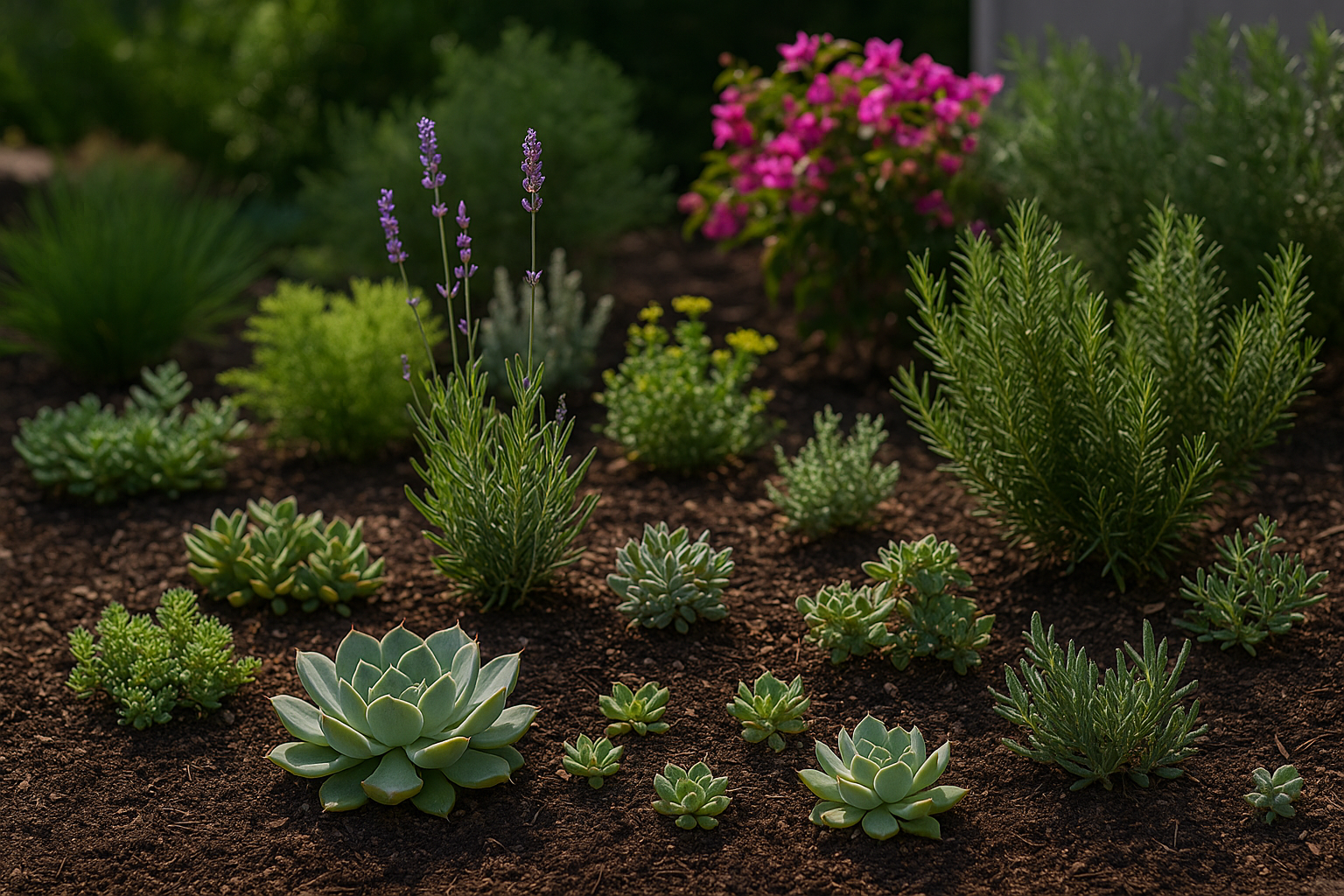
Gardening doesn’t have to mean spending hours watering your plants or running up your water bill. In fact, choosing low-water plants is one of the smartest decisions a gardener can make—especially if you live in a dry region or want to reduce your environmental footprint.
Low-water plants are beautiful, hardy, and budget-friendly. They not only help you conserve water and save money, but they also require less maintenance and thrive even when life gets busy.
In this guide, we’ll explore the best low-water plants for home gardeners, how to care for them, and practical strategies for designing a drought-tolerant garden that flourishes with minimal irrigation.
Let’s create a thriving garden that’s both eco-conscious and easy to maintain.
Why Choose Low-Water Plants?
There are several advantages to growing plants that don’t require constant watering. Whether you’re a beginner or a seasoned gardener, these benefits can make a huge difference:
- Water savings: Lower your monthly utility bills.
- Time efficiency: Spend less time watering and more time enjoying your garden.
- Climate resilience: Perfect for hot, dry, or windy areas.
- Low maintenance: Many drought-tolerant plants are also pest-resistant and hardy.
- Sustainability: Reduces strain on natural resources and promotes eco-friendly gardening.
Choosing the right plants and gardening methods can help you build a landscape that thrives with less.
Traits of Drought-Tolerant Plants
Low-water plants have specific features that help them survive dry conditions:
- Thick, waxy, or hairy leaves to reduce water loss
- Deep or wide-spreading root systems to access moisture from deep in the soil
- Small or narrow leaves that reduce evaporation
- Leaf drop or dormancy during drought stress
- Efficient water storage in roots or stems (succulents and cacti)
Understanding these traits helps you choose plants that will succeed in your climate.
Top Low-Water Plants for Every Garden
Let’s explore some of the best plant options that use minimal water and are easy to care for.
1. Lavender
Lavender is fragrant, beautiful, and one of the most drought-tolerant plants. It prefers full sun and well-drained soil. Once established, it rarely needs watering.
2. Aloe Vera
This succulent stores water in its fleshy leaves and thrives on neglect. Great for pots and windowsills.
3. Sedum (Stonecrop)
Available in many varieties, sedum spreads quickly and survives in harsh, dry conditions.
4. Rosemary
More than just a culinary herb, rosemary is an evergreen shrub that loves dry soil and sunshine.
5. Echeveria
A popular succulent with stunning rosettes that comes in many colors and forms. Perfect for container gardens.
6. Bougainvillea
This tropical climber thrives in hot, dry weather and explodes with vibrant blooms.
7. Agave
A dramatic, sculptural plant ideal for dry landscapes. Agave needs little water and grows well in poor soil.
8. Yarrow
This wildflower is both ornamental and medicinal. It attracts pollinators and grows in dry, sandy soil.
9. Russian Sage
Tall and airy with purple flowers, it tolerates heat and drought with ease.
10. California Poppy
This cheerful flower reseeds itself and thrives in low-water environments. Perfect for a pop of color.
How to Help Low-Water Plants Thrive
Even drought-tolerant plants need the right setup to succeed. Here’s how to give them the best start.
Choose the Right Soil
Well-drained soil is crucial. Mix sand or perlite into your garden bed or container mix to improve drainage.
Group Plants by Water Needs
Plant drought-tolerant varieties together, away from thirstier plants. This prevents overwatering and makes irrigation easier.
Water Deeply but Infrequently
Give plants a deep soak every 7–14 days instead of frequent light watering. This encourages deep root growth.
Mulch the Surface
Apply 5–8 cm of organic mulch (like bark or straw) around plants to retain moisture, suppress weeds, and keep roots cool.
Plant in the Right Season
Plant in spring or early fall when the weather is milder. This gives roots time to establish before summer heat.
Designing a Drought-Tolerant Garden
You can create a visually stunning and water-wise garden by combining low-water plants with clever design.
Go Native
Choose plants native to your region—they’re already adapted to local rainfall and temperature.
Add Rocks and Gravel
Incorporate decorative stones or gravel paths for structure, drainage, and visual contrast.
Use Containers
Succulents and small herbs thrive in pots and make it easy to control soil and watering.
Incorporate Vertical Elements
Trellises, hanging baskets, and shelves let you grow more with less space and water.
Limit Lawn Area
Grass consumes more water than most plants. Replace it with ground covers like thyme, clover, or creeping sedum.
How to Water Less—Even During Hot Spells
During summer or dry spells, keep your garden hydrated without wasting water:
- Water early in the morning to reduce evaporation
- Use a drip irrigation system for slow, deep watering
- Capture rainwater in barrels to use later
- Recycle greywater from sinks or tubs (only with natural soaps)
- Plant in shaded spots where possible
A few simple habits can stretch your water use and keep your plants healthy.
What to Avoid
Some mistakes can make even low-water plants suffer:
- Overwatering: Root rot is common if soil stays wet too long.
- Poor drainage: Water should never pool around roots.
- Wrong plant placement: Avoid placing sun-loving plants in the shade.
- No mulch: Bare soil loses moisture quickly.
When in doubt, watch your plants. If leaves droop, brown at the tips, or drop off, adjust your watering.
Frequently Asked Questions
Can low-water plants survive indoors?
Yes! Succulents, aloe vera, and snake plants are perfect for low-light, low-maintenance indoor spaces.
Do I still need to fertilize them?
Occasionally. A light dose every few months keeps them healthy, but they don’t need frequent feeding.
Can I mix drought-tolerant plants with others?
You can, but be careful to match watering needs. Keep thirsty plants separate to avoid overwatering the dry-loving ones.
Are all succulents drought-tolerant?
Most are, but not all. Some tropical succulents need more humidity and water—check the species before planting.
Is a rock garden considered drought-tolerant?
Yes. Rock gardens are perfect for low-water plants and offer beautiful texture and variety.
Final Thoughts: Low Effort, High Reward
You don’t need to spend a fortune or commit to daily watering sessions to enjoy a beautiful garden. Low-water plants make gardening more accessible, sustainable, and affordable for everyone—especially in challenging climates.
By selecting the right plants and applying water-wise strategies, you can build a space that supports biodiversity, conserves resources, and still looks amazing year-round.
Choose a few plants from this list, start small, and watch how your garden grows—with less work, less water, and more joy.

Alex Carter is a gardening enthusiast and DIY project lover who believes that anyone can grow a greener life with the right tips and a little creativity. At LetyPro, Alex shares practical advice on affordable plant care, hands-on garden projects, and sustainable habits for everyday homes. When not writing, you’ll find Alex experimenting with new planting techniques or repurposing old items into garden decor.