
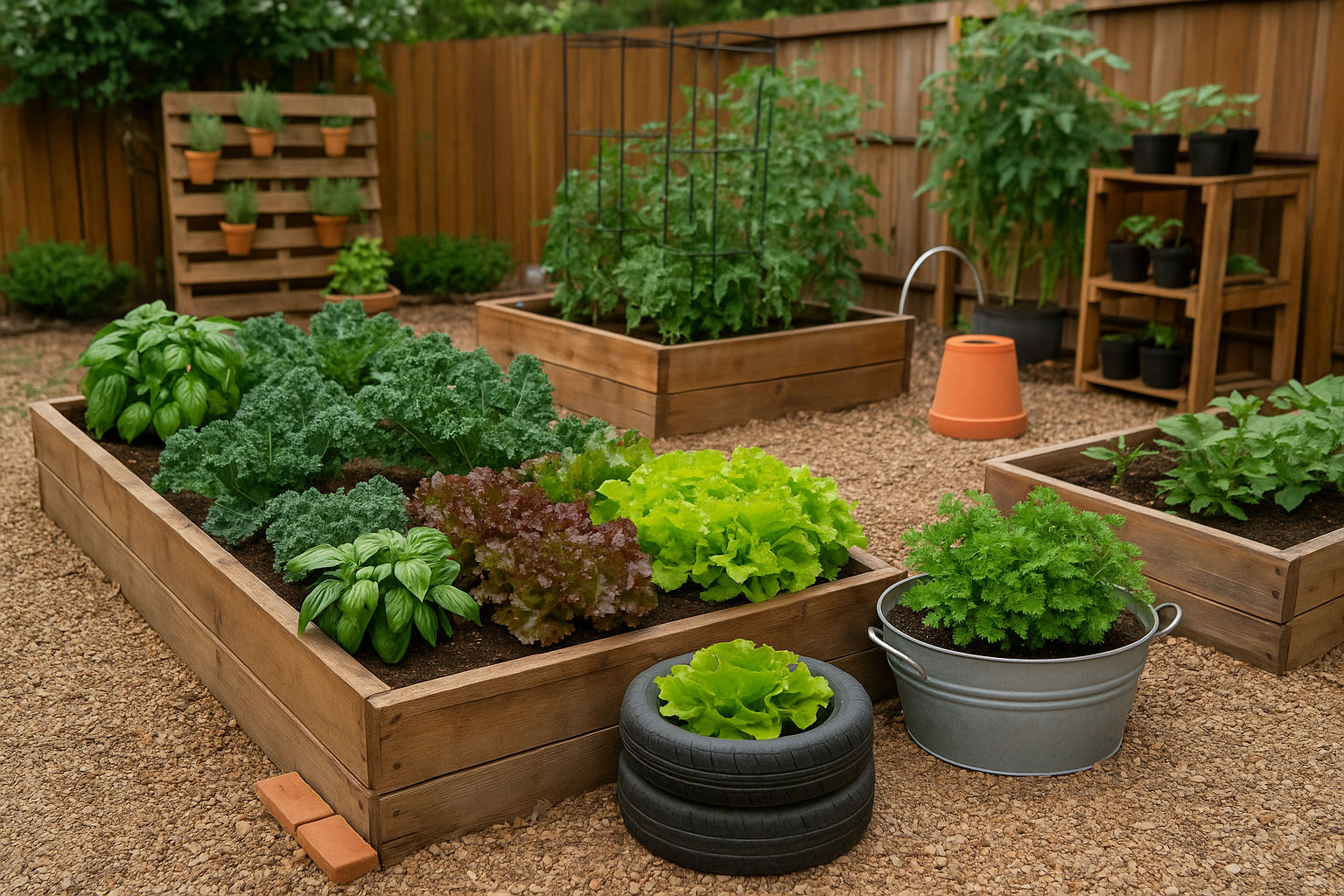
Keeping your garden organized doesn’t have to be expensive or complicated. In fact, with a little creativity and planning, you can build a functional, beautiful, and well-organized garden using materials you already have at home or can get cheaply.
Whether you grow herbs on a balcony, vegetables in a raised bed, or flowers across your backyard, good organization makes everything easier. It helps you maximize space, reduce waste, save time, and grow healthier plants.
In this complete guide, you’ll discover practical and budget-friendly strategies to organize your garden. From DIY labels to clever upcycling tips, this is about working smart—not spending more.
Let’s turn your garden into an efficient, affordable oasis.
Why Garden Organization Matters
It might seem like a minor detail, but how you organize your garden affects:
How productive your plants are
How easy it is to maintain and harvest
How much space you use or waste
How healthy your soil stays
How much money and time you save over time
An organized garden feels peaceful and productive. And the best part? You don’t need to invest in expensive garden systems to get those results.
Start With a Plan
Before moving plants or buying anything, start with a simple layout.
Sketch your available space
List the plants you want to grow
Group plants by their sunlight and water needs
Leave paths for access and maintenance
Note areas for storage, compost, or tools
This helps avoid planting in unsuitable spots and reduces trial-and-error frustration.
You don’t need a designer’s drawing. A basic hand-drawn map can save you from costly mistakes later.
Reuse and Repurpose Materials
One of the best ways to organize on a budget is to give new life to old things. Look around your home for items that can be reused.
Plastic containers = seed starters
Old drawers or crates = raised beds
Broken pots = drainage layers or border edging
Glass jars = mini greenhouses or storage
Shower caddies = vertical herb gardens
Wooden pallets = tool holders or vertical planters
Upcycling doesn’t just save money—it also keeps waste out of landfills and adds character to your space.
Use Vertical Space
If you have limited room or want to add structure, go up.
Install shelves, wall planters, or vertical towers
Hang baskets or pots from fences or railings
Use old ladders or bookshelves as tiered planting stations
Repurpose shoe organizers to hold herbs or small veggies
Vertical gardening not only saves floor space, but also improves sunlight exposure and drainage.
This is especially helpful for balconies, patios, or small backyards.
Create DIY Plant Labels
Knowing what’s planted where is essential—especially in early growth stages.
You don’t need to buy fancy labels.
Try:
Popsicle sticks
Painted stones
Plastic spoons
Broken terra cotta pieces
Wooden clothespins clipped to stakes
Write with waterproof markers or use paint pens for lasting results.
Add planting dates or notes to keep track of when to harvest.
Build Simple Pathways
Organized paths reduce soil compaction and keep things tidy.
Use affordable materials like:
Wood chips or bark
Cardboard topped with mulch
Gravel or crushed brick
Broken tiles or pavers
Old bricks arranged in a pattern
Define paths clearly to keep feet off growing zones. It looks better and helps plant roots stay undisturbed.
Paths don’t need to be permanent—just clear, safe, and defined.
Set Up a Low-Cost Tool Station
Keep your essential tools within reach without buying new storage.
Ideas:
Hang hooks or nails on a fence or wall
Use an old pallet as a tool board
Repurpose a mailbox or bin to store gloves and hand tools
Turn a broken cabinet into a mini garden shed
Install a few hanging buckets for twine, seed packets, or tags
This keeps your space neat and saves time you’d spend looking for items.
Create Zones
Separate your garden into purpose-driven areas.
Examples:
A zone for herbs and quick-harvest greens
A composting area
A seed-starting area
A storage or potting zone
A pollinator-friendly flower section
Even in small spaces, subtle divisions help reduce clutter and streamline your routine.
Use natural dividers like rocks, branches, or repurposed crates.
DIY Raised Beds and Borders
Raised beds add structure and are easier to maintain—but they can be pricey if bought new.
Build your own with:
Old wood planks
Used bricks or cinder blocks
Repurposed furniture like drawers or shelves
Straw bales (temporary but effective)
Define garden edges with:
Rocks
Wine bottles
Upside-down pots
Cut bamboo sticks
This prevents soil erosion and keeps your garden looking neat.
Use Containers Creatively
Container gardening is naturally organized, but you can take it further.
Group containers by:
Water needs
Height
Purpose (e.g. culinary herbs, salad ingredients)
Label each container and place it in the right microclimate. Rotate as needed.
Use hanging baskets, wall-mounted pots, or tiered shelving for efficiency.
Repurpose:
Buckets
Totes
Fabric grow bags
Paint cans
Just drill drainage holes if needed.
Make a Compost System That Works for You
Even compost can be organized with style and savings.
DIY compost ideas:
Use old trash bins with holes drilled in
Repurpose wooden pallets to build a three-bin system
Use a large plastic tub with a lid
Dig a compost trench directly into garden soil
Keep compost separate but accessible. Label what’s allowed and what’s not.
Having a compost zone supports plant health and reduces kitchen waste.
Organize Seeds and Supplies
A messy seed box wastes time and can lead to expired or forgotten seeds.
Use small containers like:
Mason jars
Envelopes in a recipe box
Accordion folders
Old photo albums
Mini drawers or tackle boxes
Label by plant name and expiration date.
Keep in a dry, cool spot. Add desiccants like rice or silica packets to prevent moisture.
Garden Journal or Log
Track what you plant, where you plant it, and how it performs.
Use a notebook, printable planner, or app
Include planting dates, germination notes, harvest yields
Record pests, fertilizers used, and weather patterns
Add photos to document growth
This helps you plan better each year and troubleshoot issues efficiently.
Group Plants by Needs
Avoid overwatering or underwatering by organizing plants by care level.
Group together:
Sun-loving plants
Shade-tolerant crops
Heavy feeders vs light feeders
Drought-tolerant plants
Use color-coded pots or corner-specific beds to remind you of each group’s needs.
This reduces maintenance time and helps prevent plant stress.
Organize Watering Systems
Efficient watering helps plants thrive and avoids waste.
Ideas:
Use reused plastic bottles for drip irrigation
Set up a simple hose timer
Group containers close together for easy watering
Install soaker hoses or low-cost rain barrels
Use watering cans made from old milk jugs or detergent bottles
Label watering schedules or color-code for thirsty vs low-water plants.
Make Labels for Fertilizers and DIY Mixes
If you mix your own fertilizers or pest sprays, label everything clearly.
Use old jars, spray bottles, or jugs
Label with contents, date made, and instructions
Store in a cool, shaded area
This prevents mix-ups and ensures safe, effective use over time.
Involve the Family
A well-organized garden is easier to share.
Assign zones or tasks to family members
Create kid-friendly areas with edible flowers or fast-growing veggies
Use colorful markers and garden signs for learning
Let kids make labels, paint stones, or water plants
Organization becomes a shared responsibility, not just a chore.
Don’t Forget the Aesthetics
An organized garden is also pleasing to the eye.
Add simple décor:
Wind chimes
Painted rocks
Solar lights
Colorful plant stands
Homemade garden signs
Even on a budget, you can make your garden a space you love being in.
Frequently Asked Questions
How can I organize my garden without spending money?
Use what you already have. Repurpose containers, label with recycled materials, sketch a layout, and organize by sunlight and water needs.
What’s the best way to keep my tools organized?
Mount hooks on a wall or fence, use an old bucket or caddy, or turn a pallet into a tool rack.
How do I stop my garden from looking cluttered?
Group plants by purpose or care needs, use pathways, and limit décor to a few focal points. Clean up tools and waste weekly.
Can I organize a garden in a very small space?
Absolutely. Use vertical space, hanging containers, and stackable pots. Even windowsills and railings can grow herbs or greens.
How do I keep track of planting times?
Use a garden journal, printable calendar, or garden app. Log when and where you planted and schedule reminders to harvest or fertilize.
Final Thoughts: Organized Garden, Organized Life
An organized garden isn’t just about appearances. It saves time. It saves money. It makes you a better gardener.
With smart layout planning, repurposed materials, and simple DIY touches, you can create a garden space that’s both functional and beautiful—without spending more.
So look around your home. See the potential in a tin can, a worn-out shelf, or a forgotten drawer. Let your creativity shape your space, and watch how much easier gardening becomes.
A little organization goes a long way. And your plants will reward you with health, growth, and abundance.
You don’t need a perfect garden. Just a purposeful one.

Alex Carter is a gardening enthusiast and DIY project lover who believes that anyone can grow a greener life with the right tips and a little creativity. At LetyPro, Alex shares practical advice on affordable plant care, hands-on garden projects, and sustainable habits for everyday homes. When not writing, you’ll find Alex experimenting with new planting techniques or repurposing old items into garden decor.