
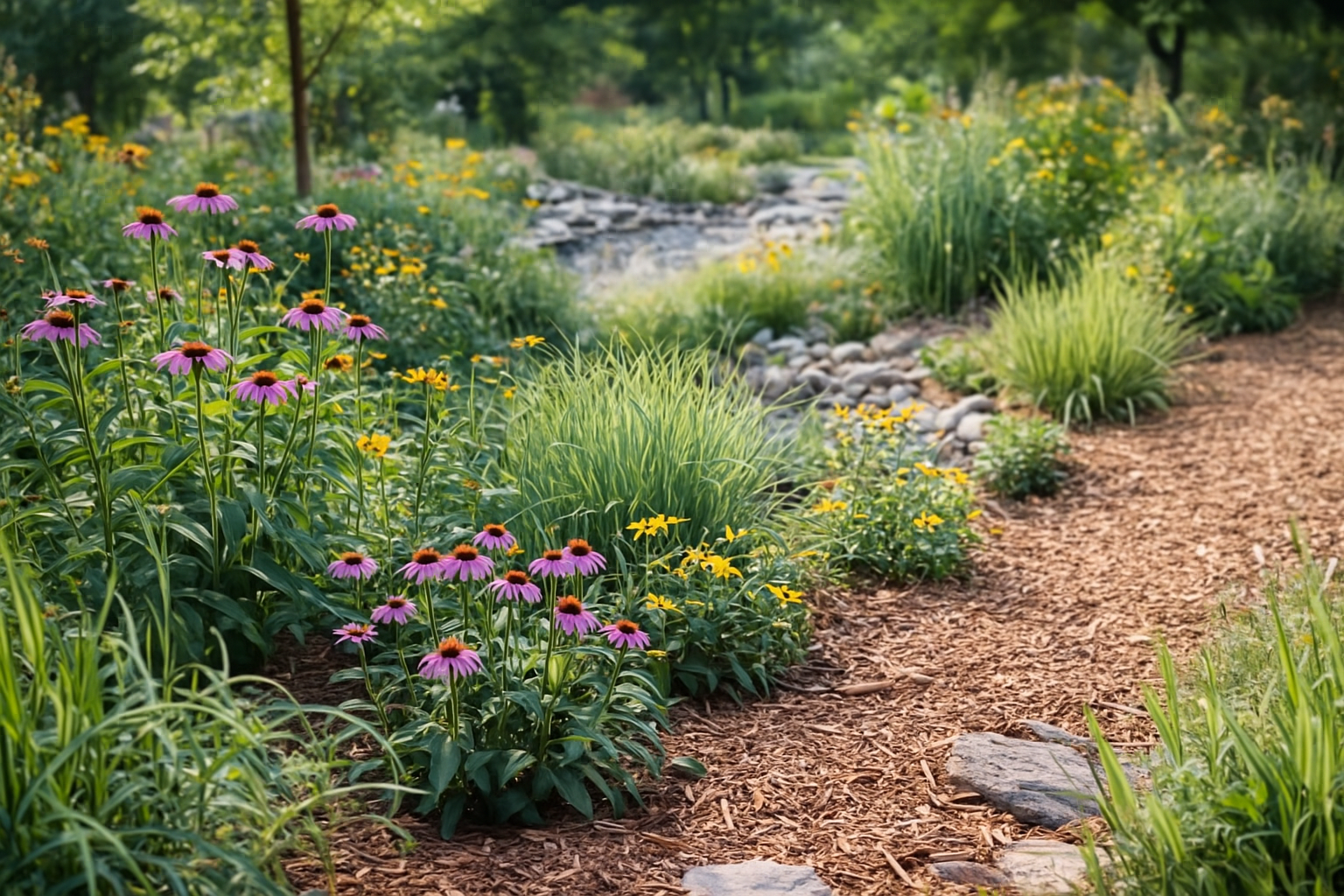
Water is becoming one of the most precious resources on our planet. As droughts and water restrictions become more frequent in many parts of the world, gardeners are seeking smarter, more sustainable ways to cultivate their outdoor spaces.
One of the most effective ways to reduce water usage in the garden is to grow native plants. These plants are naturally adapted to the climate, soil, and rainfall of your region, meaning they thrive with minimal irrigation. But beyond water savings, native plants also offer incredible beauty, attract pollinators, and support local biodiversity.
In this in-depth guide, you’ll learn how to select, plant, and care for native plants that will help you reduce your environmental impact—while creating a vibrant and resilient garden.
What Are Native Plants?
Native plants are species that naturally occur in a particular region, ecosystem, or habitat without human introduction. These plants have evolved over thousands of years in your local area, developing deep relationships with the soil, insects, wildlife, and climate.
Because of this, they:
- Require less water
- Resist local pests and diseases
- Thrive in your soil without fertilizers
- Attract native birds, bees, and butterflies
- Help restore ecological balance
In contrast, exotic or non-native plants often require more water, maintenance, and chemicals to survive outside their natural habitat.
Why Native Plants Save Water
One of the most important advantages of native plants is their deep root systems. These roots grow deeper than the roots of most turf grasses or imported ornamentals, allowing them to:
- Access water deep underground
- Survive dry spells and droughts
- Reduce soil erosion and runoff
In addition, native plants are accustomed to the rhythm of your region’s natural rainfall. They go dormant when water is scarce and flourish when moisture returns—without the need for constant human watering.
Step 1: Research Your Local Plant Ecosystem
The first step to choosing native plants is knowing what grows naturally in your region. This depends on:
- Your climate zone (USDA Hardiness Zone or similar)
- Rainfall patterns
- Soil type (sandy, clay, loamy)
- Sunlight exposure
- Elevation and slope
You can research native plants through:
- Local botanical gardens
- University extension programs
- Native plant societies
- State or regional conservation websites
- Field guides or local gardening books
Some websites allow you to enter your ZIP code or postal code and generate a list of native plants suitable for your exact area.
Step 2: Determine Your Garden Conditions
Not all areas of your garden are the same. Walk around and observe:
Which areas get full sun, partial shade, or full shade?
Where does water collect after rain?
Are there windy spots or places with poor drainage?
Do you have compacted or sandy soil?
Use this information to match plant needs to microclimates within your garden.
For example:
- Full sun and sandy soil → great for drought-tolerant grasses or wildflowers
- Shady and moist → perfect for native ferns or woodland perennials
- Sloped or rocky areas → ideal for hardy groundcovers
Step 3: Choose Plants with Purpose
Now it’s time to choose your native plants. Consider their function in the landscape:
Groundcovers
Replace thirsty lawns or weeds with native groundcovers like:
Creeping thyme
Blue star creeper
Phlox subulata
Yarrow
Wild strawberry
They hold soil in place, prevent erosion, and block out unwanted weeds.
Flowering Perennials
These bring color and attract pollinators without needing much care:
Purple coneflower (Echinacea)
Black-eyed Susan (Rudbeckia)
Milkweed (Asclepias)
Bee balm (Monarda)
Goldenrod (Solidago)
California poppy (Eschscholzia californica)
Many of these bloom through drought periods and return year after year.
Shrubs and Small Trees
Use native shrubs and trees to provide structure and habitat:
Serviceberry
Spicebush
Sumac
Red twig dogwood
Manzanita
Mountain laurel
Elderberry
These need less pruning and watering than imported varieties.
Ornamental Grasses
Grasses add movement, texture, and are incredibly drought-hardy:
Little bluestem
Switchgrass
Prairie dropseed
Muhly grass
They grow well even in poor soils and add visual interest all year.
Edible Natives
Some native plants also provide food:
American persimmon
Pawpaw
Huckleberries
Wild plums
Prickly pear cactus
Nodding onion
You support local species and harvest your own produce.
Step 4: Design for Water Efficiency
Choosing the right plants is only part of the equation. How you arrange and care for them affects water use too.
Group Plants by Water Needs
Keep plants with similar watering requirements together. This makes irrigation more efficient and prevents overwatering.
Use Mulch Generously
Mulch helps the soil retain moisture and reduces evaporation. Use:
Shredded bark
Wood chips
Leaves
Compost
Pine needles
Apply 2 to 4 inches of mulch, but keep it away from the base of stems or trunks.
Build Swales or Rain Gardens
Capture and direct rainwater using shallow channels, swales, or rain gardens. These features slow down water, allow it to soak in, and nourish plants.
Replace Lawn Areas
Turfgrass is one of the most water-hungry plants. Replace it with:
Meadow gardens
Native groundcovers
Gravel and stepping stones
Flower beds
You’ll save thousands of liters of water per year.
Step 5: Establish and Maintain Your Native Garden
Native plants are low maintenance once established—but the first season is key.
During the First Year:
Water regularly to help roots grow deep
Weed frequently to reduce competition
Add mulch to protect roots
Avoid fertilizers (native plants don’t need them)
After the First Year:
Water only during prolonged droughts
Let plants go dormant naturally
Cut back dead stems in late winter or early spring
Let seed heads remain for wildlife and reseeding
Once established, your native garden becomes nearly self-sufficient.
Common Questions About Native Plants
Will a native garden look messy?
Not at all. With proper design, pruning, and structure, native gardens can be as elegant and well-kept as any ornamental garden. Use borders, focal points, and spacing to create order.
Can I mix native and non-native plants?
Yes, but prioritize natives for sustainability. If you use non-natives, choose non-invasive species that won’t spread aggressively.
Are native plants available at garden centers?
Some are, but many are only sold at specialty nurseries or native plant sales. Always ask about origin—some plants labeled “native” may not be locally adapted.
Do native plants attract pests?
Native plants attract native insects, many of which are beneficial (like bees, butterflies, and birds). They’re more resistant to pest outbreaks because they’re part of a balanced ecosystem.
Final Thoughts: Plant for Your Place
Gardening with native plants is more than a landscaping choice—it’s a commitment to living in harmony with your environment.
You save water
You reduce maintenance
You support pollinators
You preserve biodiversity
You create a garden that belongs to your place
There’s nothing more satisfying than seeing your garden flourish with minimal input. Every flower, shrub, or blade of grass tells a story of resilience and adaptation.
If you’re ready to save water, restore balance, and enjoy a beautiful landscape, look no further than what nature already provides.
The best garden for your region has already been growing there for centuries—you just have to welcome it back.

Alex Carter is a gardening enthusiast and DIY project lover who believes that anyone can grow a greener life with the right tips and a little creativity. At LetyPro, Alex shares practical advice on affordable plant care, hands-on garden projects, and sustainable habits for everyday homes. When not writing, you’ll find Alex experimenting with new planting techniques or repurposing old items into garden decor.