
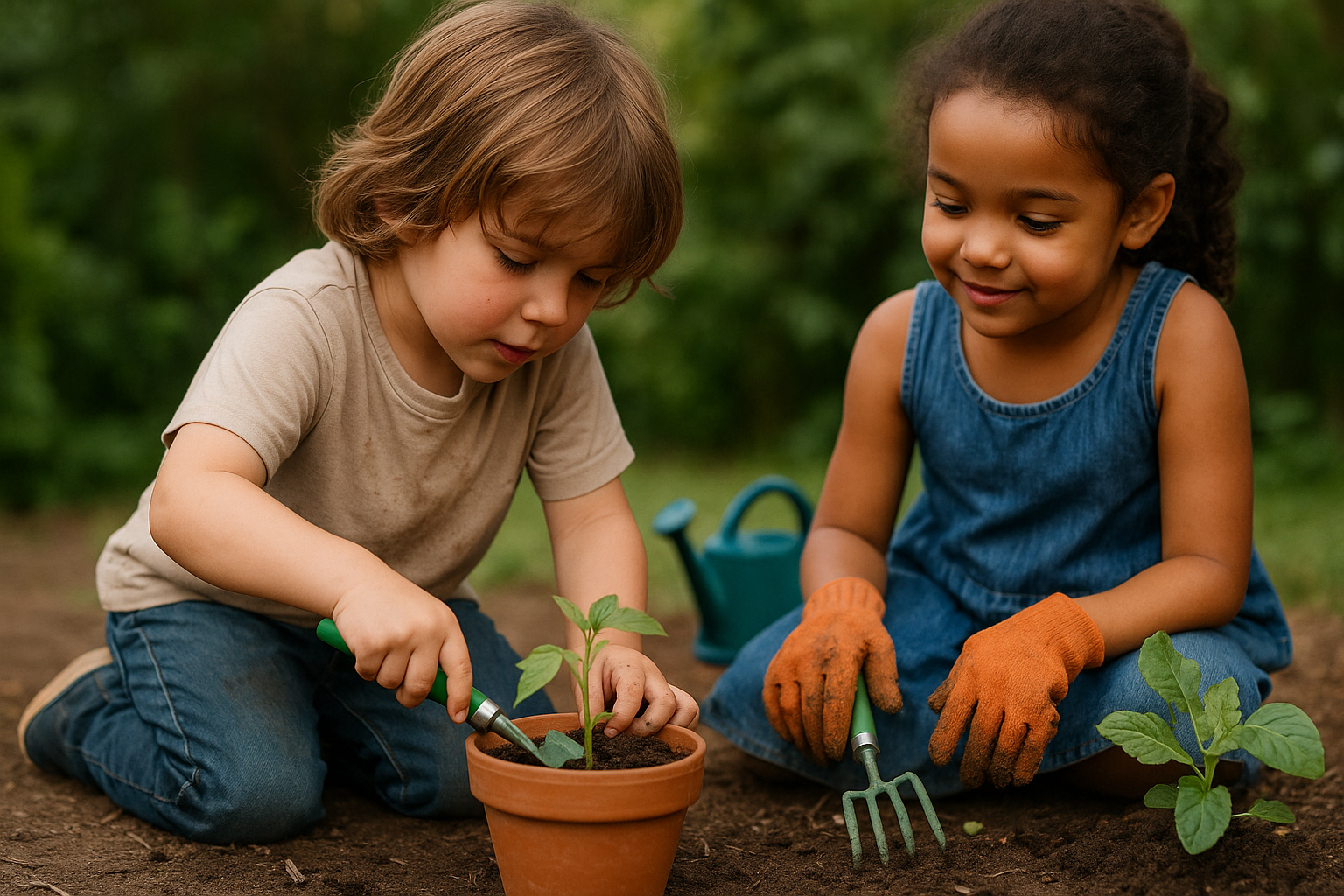
Introducing kids to gardening is one of the most powerful and joyful ways to connect them with nature, responsibility, and creativity.
When children get their hands dirty, plant a seed, and watch it grow, they’re not just learning about plants—they’re learning about patience, care, sustainability, and life itself.
You don’t need a big backyard or expensive tools to get started. With a few simple ideas, you can turn even a small space into a living classroom where children play, learn, and grow.
In this article, you’ll discover over 20 practical, fun, and affordable gardening ideas for kids. These projects are easy to set up, eco-friendly, and perfect for teaching everything from science and math to empathy and environmental care.
Let’s explore how to plant the seeds of wonder and sustainability—one little gardener at a time.
Why Gardening is Great for Children
Before diving into ideas, it’s important to understand why gardening is such a powerful tool for childhood development.
Gardening teaches:
Responsibility—plants need consistent care to thrive
Patience—growth takes time, and results are not instant
Curiosity—kids learn by doing, observing, and asking questions
Problem-solving—why didn’t that seed sprout? What does this bug do?
Environmental awareness—how their actions affect the planet
Mindfulness—gardening can calm anxious minds and promote focus
Plus, kids are more likely to eat vegetables they grow themselves.
Getting Started: Set the Stage for Success
Start with simple goals and tools. Keep the space safe and manageable.
Choose a spot with good light
Use child-sized tools—safe and easy to grip
Pick fast-growing plants to maintain interest
Let them help make decisions about what to grow
Celebrate every success, even small ones
You don’t need perfection. The goal is engagement and joy.
1. Grow a Pizza Garden
Let kids plant ingredients commonly used for pizza:
Tomatoes
Basil
Oregano
Peppers
Onions (optional)
Plant in a circular bed and divide it like pizza slices. Kids will love the theme, and it connects gardening with cooking.
2. Create a Butterfly Garden
Use native, pollinator-friendly plants to attract butterflies and bees.
Lavender
Milkweed
Coneflower
Sunflowers
Zinnias
Teach kids about pollination and biodiversity. Add a shallow dish of water and flat stones for the butterflies to land on.
3. Make a Sensory Garden
Build a space that stimulates all five senses:
Smell: mint, lavender, thyme
Touch: lamb’s ear, succulents, moss
Sight: marigolds, nasturtiums
Sound: tall grasses, bamboo wind chimes
Taste: strawberries, cherry tomatoes, chives
Kids can learn to describe sensations and be mindful of nature.
4. DIY Recycled Planters
Use old containers to teach kids about reusing and reducing waste.
Ideas:
Milk cartons
Yogurt cups
Old shoes
Plastic bottles
Tin cans
Let them decorate the planters with paint or markers. Teach them how waste can become beauty.
5. Make a Worm Farm
Create a mini vermicomposting bin and watch how worms turn scraps into soil.
Use a small bin with air holes
Add shredded paper and a little soil
Add fruit and veggie scraps
Introduce red wigglers
Kids can monitor changes and learn about composting and decomposition.
6. Plant in Egg Cartons
Egg cartons are perfect for starting seeds.
Fill each section with soil
Let kids plant one seed per pod
Label with markers
Once the seedlings are strong, transplant directly into the ground—carton included
It’s a tidy and biodegradable method.
7. Grow a Sunflower House
Plant sunflowers in a circular pattern, leaving an entrance.
As they grow, the tall plants will form a “living fort”
Kids love hiding and playing in their green house
Add climbing beans between them to fill in space
This combines gardening with imaginative play.
8. Build a Mini Greenhouse
Use a clear plastic container or repurpose a salad box.
Add soil and seeds
Water gently and close the lid
Place in a sunny window
Watch the greenhouse effect in action
It’s a great hands-on science lesson.
9. Paint Garden Stones
Let kids collect and paint stones to use as plant markers or decorations.
Label with plant names
Paint bugs, flowers, or garden creatures
Use them to build fairy paths or border edges
This encourages artistic expression and adds charm to any garden.
10. Create a Compost Bottle
Use a clear 2-liter bottle to demonstrate composting layers.
Layer:
Soil
Dry leaves or paper
Fruit scraps
Repeat layers
Watch how microbes break it down. A fantastic indoor learning tool.
11. Plant a Rainbow Garden
Let kids grow flowers in rainbow order.
Red: poppies
Orange: marigolds
Yellow: sunflowers
Green: kale
Blue: bachelor buttons
Purple: lavender
It’s visual, educational, and makes for great photo opportunities.
12. DIY Sprout Jars
Grow sprouts on the kitchen counter.
Use lentils, beans, or alfalfa
Place in a jar with a mesh lid or cloth
Rinse twice a day
In 3–5 days, harvest your sprouts
Kids love seeing results quickly.
13. Create a Watering Schedule Chart
Make gardening part of their daily or weekly routine.
Use stickers or drawings to mark when to:
Water
Harvest
Compost
Check for pests
This adds structure and teaches time management.
14. Build a Bug Hotel
Use natural materials to create a safe place for helpful insects.
Materials:
Twigs
Bark
Pinecones
Straw
Hollow stems
Stack in a wooden box or clay pots. Place near your garden. Teach kids about insect ecosystems.
15. Make a Garden Scavenger Hunt
Create a list of things for kids to find:
A red flower
A buzzing bee
A smooth stone
A curly leaf
A plant taller than them
Add checkboxes or let them draw what they find. Great for observation skills.
16. Grow Edible Flowers
Nasturtiums
Calendula
Borage
Pansies
Chive blossoms
Teach kids what’s safe to eat and what’s not. Add to salads or ice cubes.
17. Start a Garden Journal
Let kids draw what they see each week:
New sprouts
Changes in leaves
Visitors like butterflies or bees
Weather patterns
Older kids can write notes. A beautiful keepsake of their growing season.
18. Host a Harvest Party
When it’s time to harvest, make it a celebration.
Set up a little table in the garden
Let kids pick, wash, and prepare simple snacks
Make a salad with what they grew
Create veggie stamps on paper napkins
It connects work to reward and encourages healthy eating.
19. Make a Rain Gauge
Use a clear plastic bottle with the top cut off
Add measurement lines
Place it in the garden
Check rainfall after each storm
Tie it into lessons about water cycles and climate.
20. Create a Themed Garden Bed
Pick a theme like:
Taco garden—grow cilantro, tomatoes, peppers
Pollinator garden—only bee-friendly flowers
Fairy garden—with small plants and decorations
Let kids choose and help set it up. It adds excitement and ownership.
Final Thoughts: Growing Little Gardeners
Gardening with kids is about much more than just growing plants. It’s about growing hearts, minds, and awareness.
You’re teaching them where food comes from. How to care for living things. How to be responsible. And how to live in harmony with nature.
Whether you’re planting a few seeds in a carton or building a full backyard project, the lessons they’ll carry are lifelong. And the joy of watching a child connect with the earth is one of the purest things you’ll ever experience.
Start small. Make it fun. Let them lead.
And most of all—enjoy the journey together.

Alex Carter is a gardening enthusiast and DIY project lover who believes that anyone can grow a greener life with the right tips and a little creativity. At LetyPro, Alex shares practical advice on affordable plant care, hands-on garden projects, and sustainable habits for everyday homes. When not writing, you’ll find Alex experimenting with new planting techniques or repurposing old items into garden decor.